
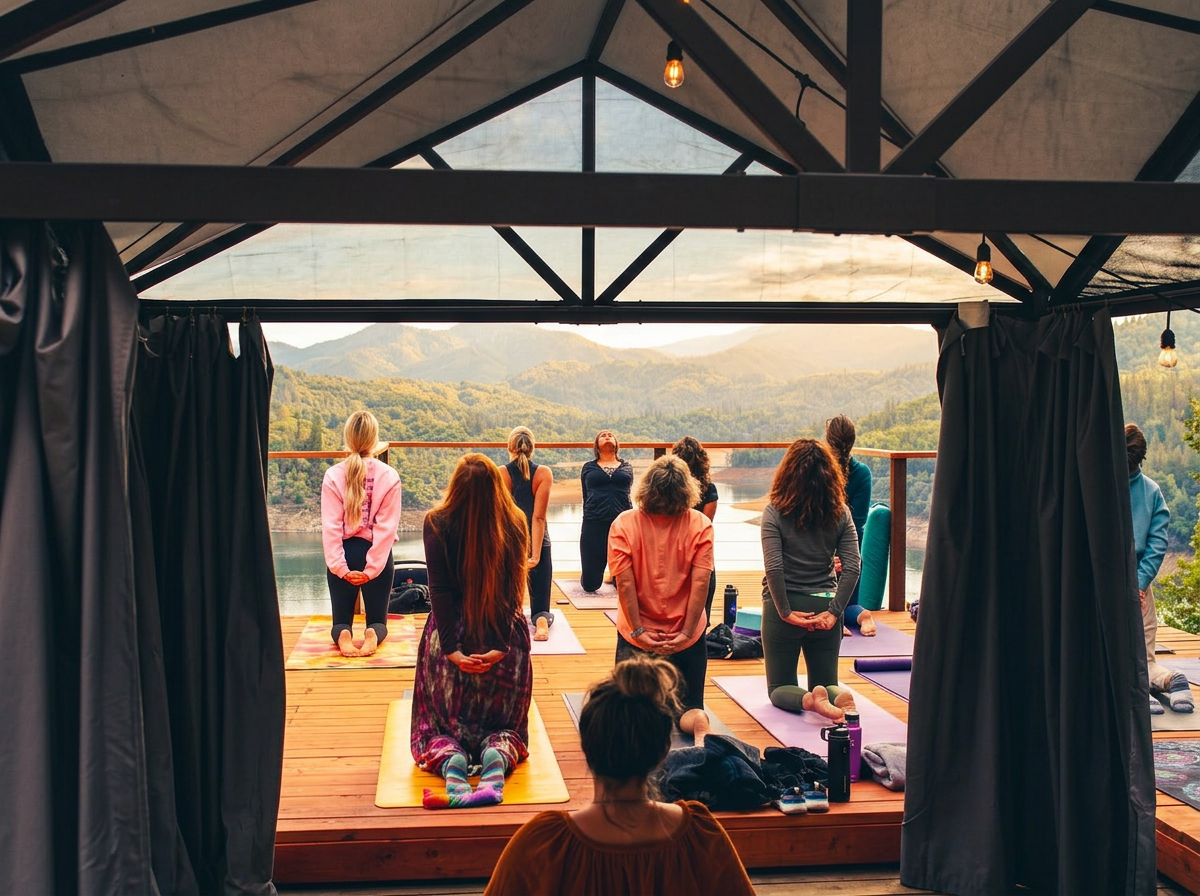
Between work, family responsibilities, relationships, and the demands of everyday life, it can be difficult to find time that isn't already spoken for. A women's retreat offers a chance to step out of those routines for a while, share experiences with others, and make room for rest, reflection, or something entirely new.
Near Shasta Lake, the water, forests, and open landscapes offer a setting for a slower kind of gathering. But choosing a beautiful location is only one part of planning a successful retreat. The venue, programme, group size, and practical arrangements all shape the experience.
If you're thinking about hosting a women's retreat in the area, here's what to consider before you begin.
1. Define Your Audience and Retreat Format
Start by thinking about who you're organising the retreat for and what kind of gathering would suit them.
Will you be welcoming women who already know one another, or bringing together people who are meeting for the first time? Is this an intimate weekend for a small group, a larger community gathering, or a retreat led by you and one or more guest facilitators?
These decisions will help you determine the group size, venue requirements, programme, and level of support you'll need.
Consider:
- Whether the retreat is open to everyone or intended for a particular community or group.
- How many participants you can comfortably accommodate.
- Whether you'll be leading the sessions yourself or inviting other facilitators.
- Whether the retreat will run for a weekend or several days.
- What level of structure participants can expect.
Having these details worked out early will make the rest of the planning process more straightforward.
2. Choose a Setting That Works for Your Group
A retreat venue should support the kind of gathering you're hoping to create. Think beyond the accommodation itself and consider how the group will use the space throughout the day.
Shared spaces can make a real difference. A comfortable communal area gives participants somewhere to have conversations, share meals, or spend time together between sessions. Outdoor areas can offer a change of scenery for group activities, quiet reflection, or simply enjoying the surroundings.
When exploring venues near Shasta Lake, consider:
- Space for gathering: Is there room for everyone to come together comfortably?
- Practice or workshop areas: Can the venue accommodate yoga, meditation, creative sessions, or discussions if these are part of your programme?
- Accommodation: Do the sleeping arrangements suit your group, including any preferences around shared or private rooms?
- Bathrooms and practical facilities: Are there enough facilities for the number of participants?
- Privacy: Does the setting offer enough separation from everyday distractions?
- Accessibility: Can participants with different mobility and access needs comfortably use the space?
A beautiful location matters, but a venue that works well for your group will make the experience much easier to organise.
3. Design the Programme and Weekend Schedule
The programme should reflect the retreat's format, the facilitators involved, and the interests of your participants. You might include yoga, meditation, guided journaling, creative workshops, facilitated conversations, breathwork, or time outdoors.
Choose activities that work well together rather than trying to fit everything into one weekend. If you're inviting guest facilitators, coordinate with them in advance so sessions have a natural flow.
For a two-night retreat near Shasta Lake, you could use a simple structure:
| Day | Possible activities |
|---|---|
| Friday | Arrivals, welcome gathering, shared dinner, informal evening |
| Saturday | Morning practice, breakfast, workshop, free time, optional outdoor activity, shared dinner |
| Sunday | Gentle morning session, breakfast, closing gathering, departures |
Treat this as a starting point rather than a fixed itinerary. Leave enough time for meals, conversations, rest, and participants to enjoy the surroundings at their own pace.
Shasta Lake's landscape can also become part of the experience. Depending on the season and local conditions, you might offer an optional nature walk, outdoor meditation, or time to enjoy the lake views. Consider accessibility, travel distances, and weather when planning outdoor activities, and check current conditions before making specific arrangements.
4. Plan for the Practical Needs of Your Participants
Thoughtful planning includes the details that help people feel comfortable and prepared.
Start by communicating clearly about accommodation, meals, transport, the schedule, and what participants should bring. If you're including physical activities, explain what they involve and whether any previous experience is required.
Before the retreat, consider asking participants about:
- Dietary requirements and food allergies.
- Accessibility needs and mobility considerations.
- Room-sharing preferences, where relevant.
- Any equipment or materials they may need.
- Emergency contact details.
Be clear about what is included in the booking price and what participants will need to arrange separately. If the venue is in a more rural area, provide practical travel directions and information about nearby services.
5. Work Out Your Budget Before Setting Prices
Your budget should reflect the actual cost of delivering the retreat, not just the price of accommodation.
Start by listing the main expenses:
- Venue hire and accommodation.
- Food, drinks, and refreshments.
- Facilitator or guest practitioner fees.
- Workshop materials and equipment.
- Transport and local activities.
- Marketing and booking fees.
- Contingency for unexpected costs.
Once you have an estimate, decide how many participants you can comfortably accommodate and how many paid bookings you need to cover your expenses.
Avoid relying on full occupancy to make the retreat financially viable. Build your pricing around a realistic attendance figure, and communicate payment terms and cancellation policies clearly before accepting bookings.
Finding a Venue for Your Women's Retreat Near Shasta Lake
If you're looking for a place to host a retreat or group gathering near Shasta Lake, The Zen Retreats offers three individual properties: Zen Lakeview, Zen Paradise, and Zen Haven. For larger gatherings, Zen Group Retreat combines two of these houses into one booking, accommodating up to 20 guests.
You can explore the properties to compare the available spaces and consider which might suit your retreat.
The aim is to bring together the right people, a comfortable setting, and a programme that gives everyone a chance to make the most of their time away.